
The Evolution of Cinematic Storytelling
How Film Language Transformed from Silent Frames to Digital Worlds.
The Birth of Visual Narrative
Cinema began as a technological curiosity, a series of moving images projected to astonished audiences in the late nineteenth century. Early films were short, simple recordings of daily life, yet they carried the seeds of a new art form. Directors like Georges Méliès expanded the possibilities of cinema by using editing, special effects, and theatrical staging to transform simple recordings into imaginative stories. This early period defined film as more than documentation. It became a medium of expression, where light, framing, and movement could shape emotion and meaning without the need for spoken words. Silent cinema demonstrated that storytelling through images was universal, crossing borders and languages.
The Arrival of Sound and Dialogue
The late 1920s brought the era of synchronized sound, forever changing the art and industry of film. Dialogue, music, and sound effects expanded the emotional palette of filmmakers but also posed creative challenges. Directors who mastered visual storytelling in silence now had to balance spoken words with visual imagery. The first “talkies” astonished audiences, yet some feared that sound would diminish the artistry of the image. Instead, it deepened cinematic language. Sound design became an essential storytelling tool, from the chilling silence that precedes a scream in horror films to the orchestral swells that heighten romance or tragedy. Cinema had entered a new phase where sound and image worked in harmony to create immersive narratives.
Cinematography and the Art of the Frame
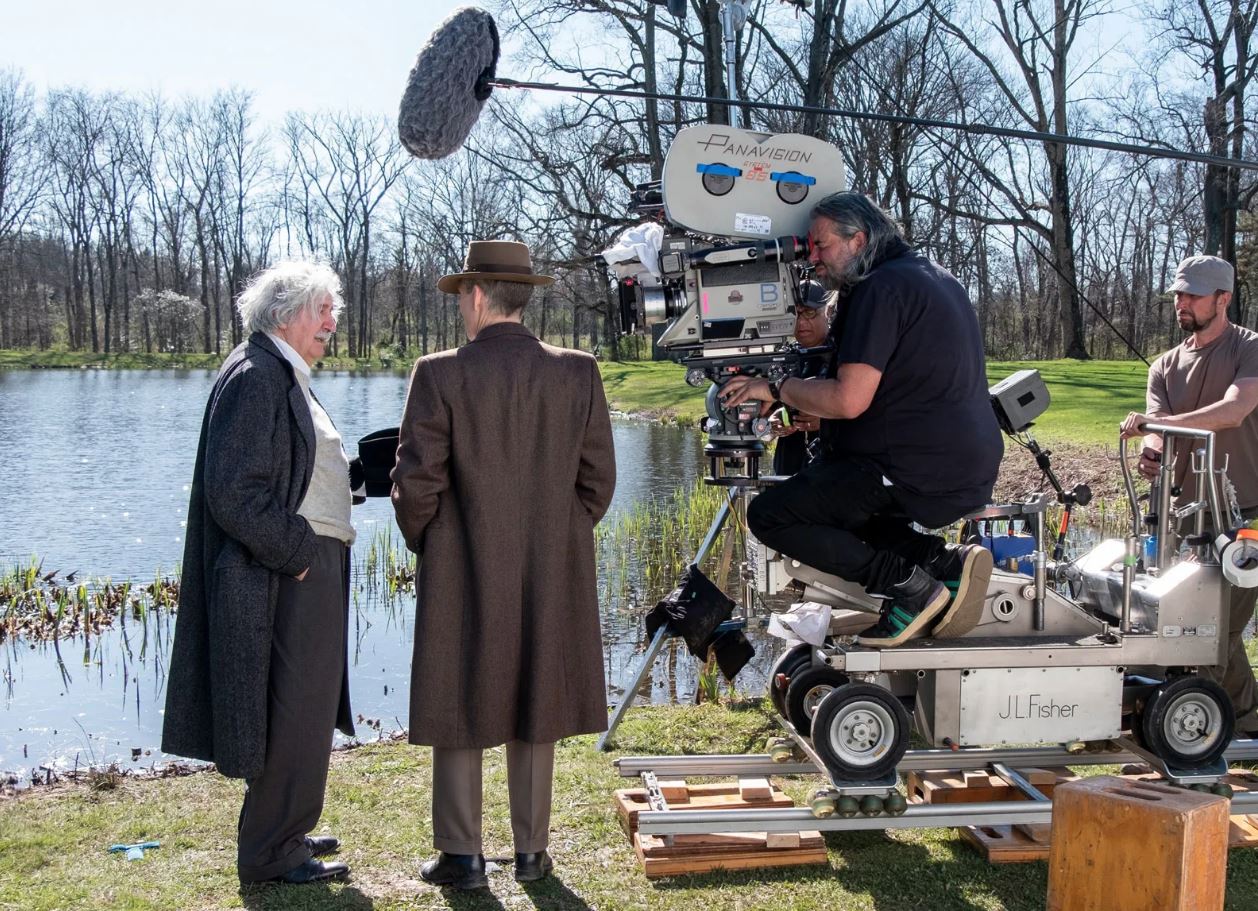
As cinema matured, cinematography emerged as its defining visual language. The choice of lens, camera movement, and lighting all became part of how stories were told. Wide shots established scale, close-ups revealed intimacy, and tracking shots created momentum. Masters of cinematography understood that every frame carries meaning, whether capturing the sweeping landscapes of an epic or the subtle expressions of a character in conflict. The evolution of film stock, color processes, and later digital sensors expanded the possibilities even further. From black-and-white chiaroscuro in film noir to the lush palettes of Technicolor musicals, cinematography transformed film into a painterly and emotional medium.
Editing as the Grammar of Film
Editing is often described as the invisible art that shapes how audiences perceive time and space. From early pioneers like Sergei Eisenstein, who used montage to provoke intellectual and emotional responses, to Hollywood’s continuity editing that creates seamless storytelling, editing defines the rhythm of cinema. Rapid cuts can build tension, while long takes immerse viewers in real time. Cross-cutting connects parallel storylines, and jump cuts fracture continuity to reflect disorientation or rebellion. Editing is more than technical assembly. It is the grammar of film, dictating how stories unfold and how audiences experience narrative flow.
The Rise of Genre and Collective Imagination
As the film industry expanded, genres emerged as both artistic traditions and commercial strategies. Westerns, horror, musicals, and science fiction offered audiences familiar structures while allowing filmmakers to innovate within them. Genres serve as cultural mirrors, reflecting the fears, desires, and values of their times. The Western mythologized frontier expansion, while science fiction grappled with technology and the unknown. Horror films explored societal anxieties, from Cold War paranoia to modern fears of surveillance. Genres provided audiences with comfort in familiarity while offering endless opportunities for reinvention, proving that cinema thrives on both repetition and innovation.
World Cinema and Cultural Exchange
Cinema has never been confined to Hollywood. Across the globe, filmmakers developed distinct traditions that enriched film language. Italian neorealism after World War II used non-professional actors and real locations to depict social realities. Japanese cinema, from the samurai epics of Akira Kurosawa to the minimalist dramas of Yasujirō Ozu, brought new aesthetics of movement and stillness. Indian cinema developed the unique blend of music, dance, and narrative that defines Bollywood. Latin American and African filmmakers challenged colonial perspectives through films that celebrated indigenous voices. World cinema demonstrates that film is a global dialogue, where cultures share, borrow, and transform each other’s visions.
The Digital Revolution in Filmmaking
The late twentieth and early twenty-first centuries brought digital technologies that reshaped every aspect of cinema. Computer-generated imagery allowed filmmakers to create worlds that defy physical limitations, from the dinosaurs of Jurassic Park to the virtual realms of The Matrix. Digital cameras democratized filmmaking, giving independent creators tools once reserved for major studios. Editing suites shifted from physical film splicing to nonlinear digital workflows, enabling experimentation with structure and pacing. Distribution changed as streaming platforms gave audiences unprecedented access to films from every corner of the globe. The digital revolution blurred boundaries between cinema, television, and interactive media, expanding the definition of what a film could be.
The Role of the Audience in Shaping Cinema
Audiences have always played a central role in shaping film history. From the nickelodeons of the early 1900s to modern multiplexes and home streaming, viewer expectations drive trends in filmmaking. Box office successes influence studios to replicate formulas, while cult followings turn overlooked films into classics. Today, fan communities actively shape franchises through online discussions, petitions, and creative works. Cinema has become a participatory culture, where the boundary between creators and audiences is increasingly porous. This ongoing dialogue ensures that cinema remains dynamic, evolving with the communities that embrace it.
The Future of Cinematic Storytelling
As technology advances, the future of cinema stretches into new frontiers. Virtual reality and augmented reality promise immersive experiences where viewers can step inside stories. Artificial intelligence may assist in scriptwriting, editing, or visual effects, raising questions about creativity and authorship. Interactive films invite audiences to influence outcomes, blurring the line between storytelling and gameplay. Yet, no matter how technology changes, the essence of cinema remains rooted in the desire to tell stories that resonate with human emotion. The medium may evolve in form, but its foundation in empathy, imagination, and shared experience will endure.
Cinema as a Living Language
From silent images flickering on a screen to digital worlds rendered in dazzling detail, cinema has grown into one of humanity’s most powerful cultural languages. It combines art and technology, individual vision and collective imagination. Cinema captures memory, reflects society, and imagines futures. It speaks through images, sounds, and emotions in ways that transcend words and borders. The story of cinema is the story of humanity learning to see itself anew, again and again, through the lens of creativity. As long as people gather to watch and feel together, the language of film will remain alive, evolving with every frame.