
The Visionary Role of the Film Director
How Directors Shape Cinema as Architects of Story and Style.
The Director as Storyteller
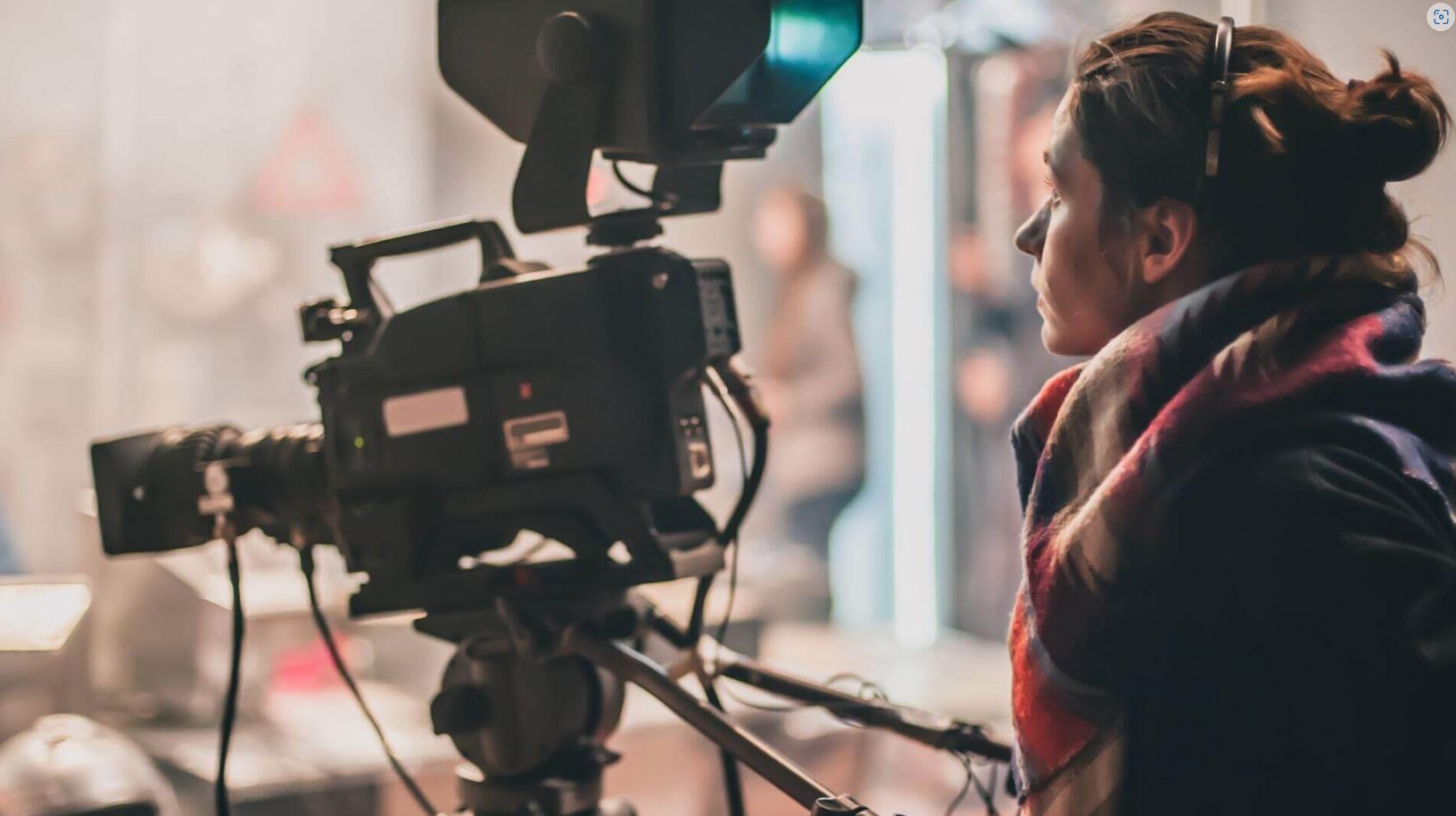
A film director is often described as the author of a movie, the person whose creative vision shapes every aspect of the production. While filmmaking is a collaborative art involving writers, actors, cinematographers, editors, and many others, the director provides the unifying thread that turns disparate contributions into a coherent narrative. From the moment a script is chosen to the final cut, directors make decisions that determine tone, pacing, and emotional impact. They decide how scenes are staged, how actors embody characters, and how images are framed. In this sense, a director is both a storyteller and an interpreter, transforming words on paper into living, breathing cinema.
Crafting Visual Language
Directors shape films not only through story but through visual language. The way a shot is framed, the choice of camera movement, and the use of light and shadow all communicate meaning beyond dialogue. Alfred Hitchcock mastered suspense by using visual cues to heighten audience tension, while Wes Anderson creates symmetrical, carefully composed frames that reflect his whimsical and precise sensibility. Directors collaborate with cinematographers to craft this language, yet the overarching vision is their own. The visual dimension of film is one of the most powerful tools available to directors, enabling them to guide audience perception on a subconscious level.
Working with Actors
One of the director’s most delicate responsibilities is guiding performances. Actors bring their own interpretations to roles, but it is the director who ensures consistency across the ensemble and alignment with the film’s tone. Some directors prefer naturalistic performances, encouraging improvisation and subtlety, while others demand stylized delivery to fit a heightened cinematic world. The rapport between director and actor can profoundly affect a performance. Legendary pairings such as Martin Scorsese and Robert De Niro or Akira Kurosawa and Toshiro Mifune illustrate how long-term collaborations produce iconic roles. The director’s ability to communicate with actors often determines whether a film resonates emotionally with audiences.
Directorial Styles and Auteur Theory
In the mid-twentieth century, French critics developed the concept of the auteur, suggesting that directors could be seen as the true authors of films, imprinting them with distinct personal styles. François Truffaut and Jean-Luc Godard argued that even within the constraints of the studio system, directors like Howard Hawks or Alfred Hitchcock stamped their films with unique signatures. This theory remains influential, though debated, as not every director seeks personal expression. Some embrace invisibility, serving the story above individual style. Others, like Stanley Kubrick or Quentin Tarantino, create unmistakable visual and thematic fingerprints that define their careers. Auteur theory highlights how directorial choices shape not only individual films but also the larger trajectory of cinema.
Collaboration and Control
Despite the mythology of the director as auteur, filmmaking is inherently collaborative. Directors must navigate relationships with producers, who manage budgets and commercial considerations, and with writers, whose scripts form the foundation of the narrative. The relationship with editors, production designers, and composers also plays a central role in shaping the finished film. A director’s authority is balanced by the contributions of others, and the most successful directors are often those who foster trust and collaboration. Yet, history shows tension as well, with some directors clashing with studios over creative control. These struggles highlight the tension between art and commerce, individuality and teamwork, that defines the director’s role.
Directors Across Cultures
Directorial practices and expectations vary across global cinema traditions. In Hollywood, directors often work within large-scale industrial frameworks where collaboration and studio oversight play strong roles. In European cinema, directors are frequently celebrated as auteurs, granted greater creative autonomy. In Japan, directors like Yasujirō Ozu emphasized subtle emotional rhythms, while Kurosawa blended Western storytelling techniques with Japanese aesthetics. In India, directors often balance artistic vision with the demands of mass entertainment, integrating song, dance, and melodrama. Understanding directors across cultures highlights the diversity of cinematic traditions and how directorial roles adapt to different artistic and industrial contexts.

Innovation and Experimentation
Great directors are often innovators who push the boundaries of what film can do. Orson Welles revolutionized cinematography and narrative structure with Citizen Kane, while Christopher Nolan experiments with nonlinear timelines and practical effects. Directors may experiment with new technologies, such as James Cameron’s use of groundbreaking visual effects in Avatar, or with narrative techniques, as seen in Alejandro González Iñárritu’s Birdman with its illusion of a continuous take. Experimentation is not limited to spectacle. Directors like Chantal Akerman or Abbas Kiarostami challenge traditional pacing and structure, creating new ways of experiencing time and emotion. Innovation in directing expands the language of cinema for future generations.
The Evolution of the Director’s Role
The role of the director has evolved alongside the film industry. In early cinema, directors worked quickly, often producing multiple films a year with limited resources. As filmmaking grew more complex, directors gained greater influence, with some achieving near-mythic status. Today, directors navigate a landscape transformed by digital technology, streaming platforms, and global distribution. Independent directors use low-cost digital tools to tell personal stories, while blockbuster directors oversee productions with budgets rivaling national economies. The director’s role remains central, but its scope and responsibilities continue to adapt to new artistic, technological, and economic realities.
Gender and Representation in Directing
For much of film history, directing was dominated by men, with women and minority voices marginalized. In recent years, efforts to expand representation have gained momentum. Directors like Kathryn Bigelow, Chloé Zhao, Ava DuVernay, and Bong Joon-ho demonstrate how diverse perspectives enrich cinema. Barriers remain, but recognition of underrepresented directors challenges long-standing biases in the industry. Expanding opportunities for new voices ensures that film reflects the multiplicity of human experiences, proving that directing is not bound to a single perspective but open to the creativity of all storytellers.
The Future of Directing
The future of directing will likely blend traditional storytelling with emerging technologies. Virtual production techniques, as seen in The Mandalorian, allow directors to work in immersive digital environments. Interactive films and virtual reality experiences challenge directors to rethink how audiences engage with stories. Artificial intelligence may play a role in editing, visualization, or even script generation, though human vision will remain essential for meaningful storytelling. The director of tomorrow will need to balance artistry with technological literacy, ensuring that new tools serve creative expression rather than replace it.
The Director as Visionary Guide
The director’s role is both practical and visionary, requiring leadership, artistry, and adaptability. Directors transform scripts into lived experiences, coordinate massive teams, and leave personal imprints that echo across cinema history. They stand at the intersection of collaboration and authorship, tradition and innovation, culture and individuality. To study directors is to study cinema itself, for it is through their choices that films become not just moving images but enduring works of art. The director remains the guiding force of filmmaking, shaping how stories are told and how audiences experience the ever-evolving language of cinema.