
The Birth and Transformation of Global Cinema
How Moving Pictures Became a Universal Language Across Time and Cultures.
The Origins of Motion Pictures
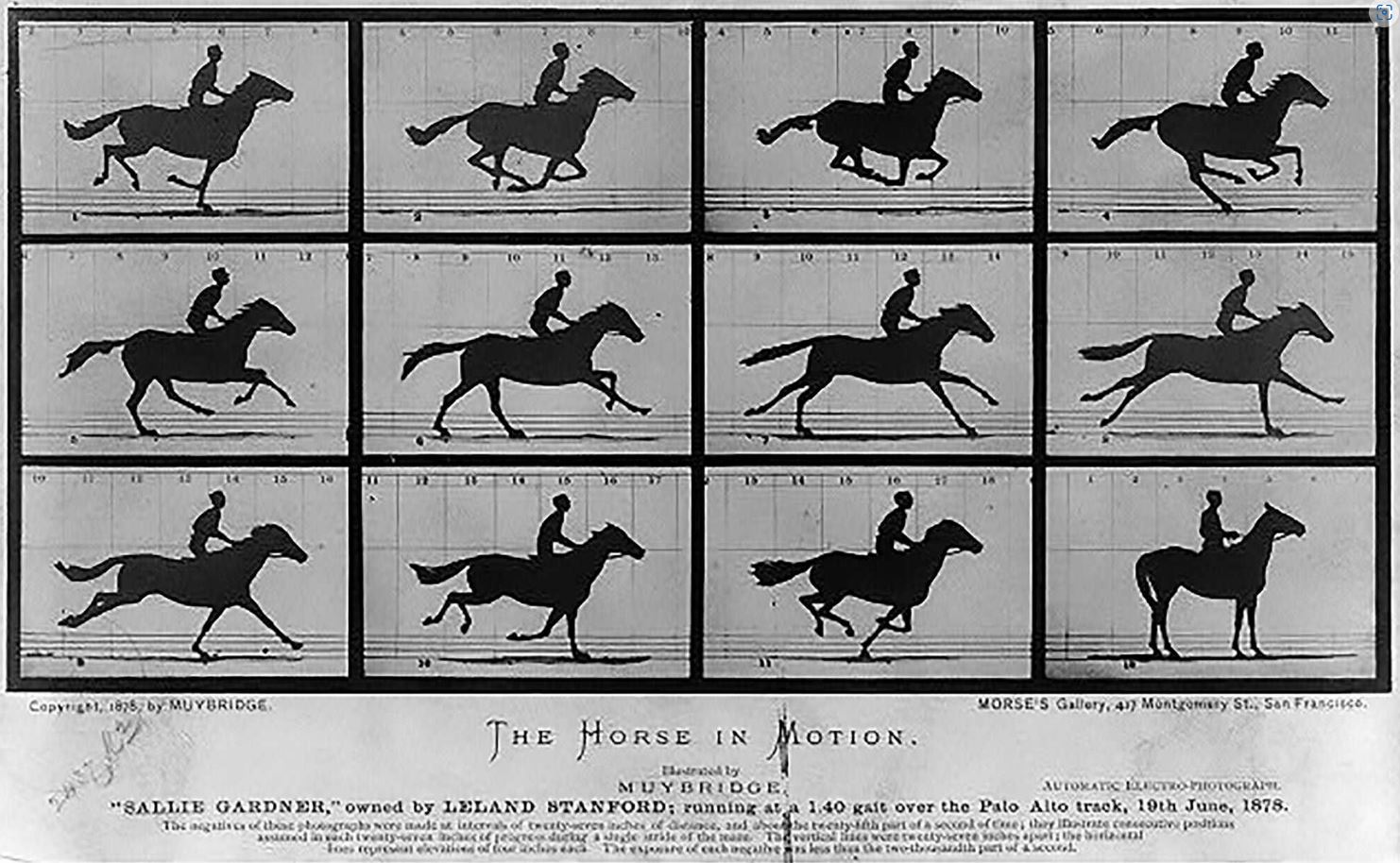
The story of cinema begins in the late nineteenth century, when inventors sought ways to capture movement and project it to audiences. Thomas Edison’s kinetoscope allowed individuals to peer through a viewer at short films, while the Lumière brothers in France astonished crowds by projecting films onto a screen for collective viewing. Their 1895 screening of workers leaving a factory and a train arriving at a station is often marked as the birth of public cinema. These early films were brief glimpses of reality, yet they carried extraordinary novelty, laying the groundwork for an art form that would quickly evolve from curiosity to storytelling medium.
Silent Cinema and the Discovery of Narrative
In the early decades of the twentieth century, cinema was silent but far from voiceless. Directors experimented with editing, lighting, and performance to craft visual narratives that transcended language. D. W. Griffith’s The Birth of a Nation demonstrated the power of cinematic storytelling through scale and editing techniques, while filmmakers like Georges Méliès used trick photography to create fantastical visions. Meanwhile, German Expressionism gave the silent era bold shadows and stylized sets, reflecting psychological depth. Silent film stars such as Charlie Chaplin and Buster Keaton became global icons, proving that physical comedy and visual storytelling could unite audiences across cultural divides.
The Revolution of Sound
The arrival of synchronized sound in the late 1920s transformed cinema forever. The Jazz Singer in 1927 marked the beginning of the talkie era, where dialogue, sound effects, and musical scores became integral to storytelling. Studios had to adapt quickly, redesigning equipment and retraining actors who had thrived in silence. Sound expanded emotional range, creating suspense through silence and grandeur through orchestral accompaniment. While some lamented the loss of the universal language of silent film, sound cinema established a new kind of immersion. Genres like the musical flourished, and dialogue-driven comedies redefined audience expectations.
The Golden Age of Hollywood
The 1930s through the 1950s are often called Hollywood’s Golden Age, when the studio system dominated production, distribution, and exhibition. Major studios like MGM, Warner Bros., and Paramount created stars under long-term contracts and produced films across a wide range of genres. Audiences flocked to see lavish musicals, screwball comedies, sweeping epics, and noir thrillers. Directors like Howard Hawks, John Ford, and Billy Wilder set benchmarks for storytelling craft. The Golden Age was not just about glamour. It reflected social realities, from Depression-era struggles to postwar optimism. Hollywood cemented its place as a global cultural powerhouse, shaping how the world imagined storytelling on screen.
International Movements and New Waves
While Hollywood thrived, global cinema developed distinctive movements that challenged conventions. Italian Neorealism in the 1940s and 1950s focused on ordinary people and real locations, offering raw depictions of life in postwar Italy. In France, the New Wave of the 1960s brought directors like François Truffaut and Jean-Luc Godard, who broke traditional narrative structures with jump cuts, handheld cameras, and self-reflexive storytelling. Japanese cinema flourished under directors such as Akira Kurosawa and Yasujirō Ozu, whose works combined cultural traditions with cinematic innovation. Each movement revealed that cinema was not monolithic but a flexible medium reflecting diverse histories, philosophies, and aesthetics.
Technological Shifts and the Rise of Color
The transition from black-and-white to color introduced new dimensions to cinematic storytelling. Technicolor productions in the 1930s and 1940s dazzled audiences with vibrant palettes, as seen in films like The Wizard of Oz. Color opened new expressive possibilities, from the warm romantic tones of musicals to the stark contrasts of psychological thrillers. Alongside color, advances in widescreen formats, stereophonic sound, and special effects continually expanded the language of film. By the mid-twentieth century, cinema had become a spectacle as much as a narrative art, offering audiences visual experiences beyond the capabilities of earlier eras.
The New Hollywood and Independent Voices
By the late 1960s and 1970s, the decline of the studio system gave rise to New Hollywood, a wave of filmmakers who challenged conventions with more personal, daring, and socially conscious films. Directors like Martin Scorsese, Francis Ford Coppola, and Steven Spielberg brought new energy, experimenting with style and subject matter. Films like Taxi Driver and The Godfather redefined what mainstream cinema could be, blending artistic ambition with mass appeal. Independent filmmaking also gained ground, with smaller productions exploring marginalized perspectives. This era illustrated cinema’s adaptability, as it reflected the turbulence of its cultural moment through innovation and risk-taking.
Globalization and World Cinema
As distribution networks expanded, audiences gained greater access to films from around the world. The international success of directors like Satyajit Ray from India, Wong Kar-wai from Hong Kong, and Pedro Almodóvar from Spain highlighted the richness of world cinema. Festivals such as Cannes, Venice, and Berlin became key spaces for global recognition, providing platforms for diverse storytelling traditions. World cinema not only broadened aesthetic horizons but also challenged Western dominance, showing that stories from any culture could achieve universal resonance. This globalization of cinema helped shape a more interconnected film culture.
The Digital Revolution
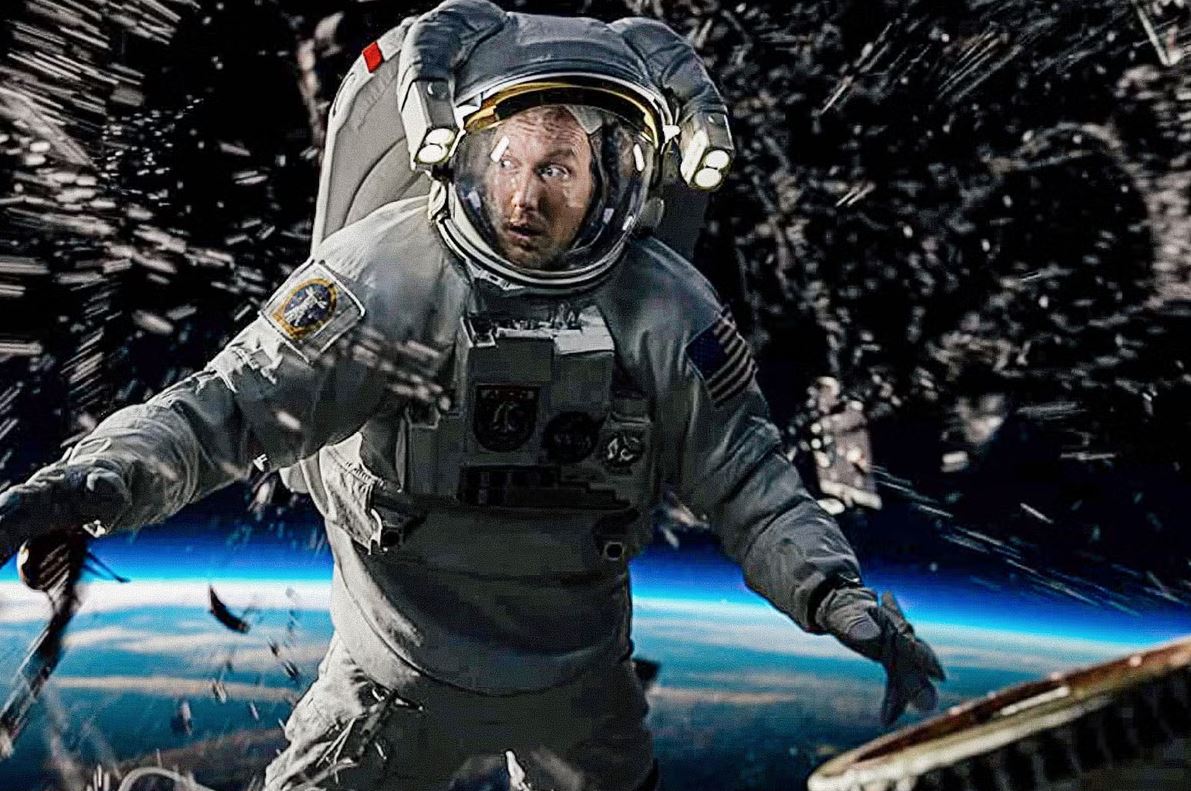
The late twentieth century brought digital technology, altering both production and distribution. Computer-generated imagery transformed visual effects, enabling filmmakers to create worlds unimaginable in earlier decades. The advent of digital cameras reduced costs, making filmmaking more accessible to independent voices. Editing shifted from physical film splicing to nonlinear digital platforms, accelerating post-production processes. At the same time, digital projection and streaming platforms changed how audiences consumed cinema, shifting from communal theatrical experiences to individualized viewing. This digital revolution democratized filmmaking but also raised questions about the future of cinema as a shared cultural ritual.
Cinema in the Streaming Era
The twenty-first century introduced streaming platforms that disrupted traditional film industries. Companies like Netflix, Amazon, and later Disney+ and Apple TV+ became not only distributors but also producers of original films. This expanded access to diverse content but also sparked debates about the theatrical experience versus home viewing. Independent films found wider audiences through digital distribution, while blockbuster franchises dominated theatrical markets. The streaming era demonstrates how cinema adapts to new technologies while preserving its essence as a storytelling medium. It also highlights how history continues to unfold, with each era reconfiguring the relationship between filmmakers, audiences, and platforms.
The Future of Film History
Cinema’s history is not static but ongoing. Emerging technologies like virtual reality, augmented reality, and artificial intelligence may redefine how stories are made and experienced. Yet, the lessons of history remind us that cinema has always balanced innovation with tradition. From silent images to interactive narratives, each transformation builds upon what came before. The future will likely bring new ways of seeing and participating in film, but the core desire to share stories through moving images will endure. Film history is a living narrative, one that continues to evolve with every new invention and cultural shift.
Cinema as Collective Memory
The history of cinema is more than a chronicle of technological milestones or industry changes. It is a record of how humanity has imagined itself across time. Films capture not only stories but also the moods, fears, and dreams of their eras. They serve as cultural mirrors and collective memories, preserving how generations saw their world and their place within it. To explore the history of cinema is to trace the history of human imagination, from the flickering shadows of early projections to the vast digital landscapes of today. The story of film is the story of us, forever unfolding, forever alive.