
Cinema as Collective Memory
Why Films Remain the Most Powerful Mirror of Human Experience.
The Purpose of Storytelling Through Film
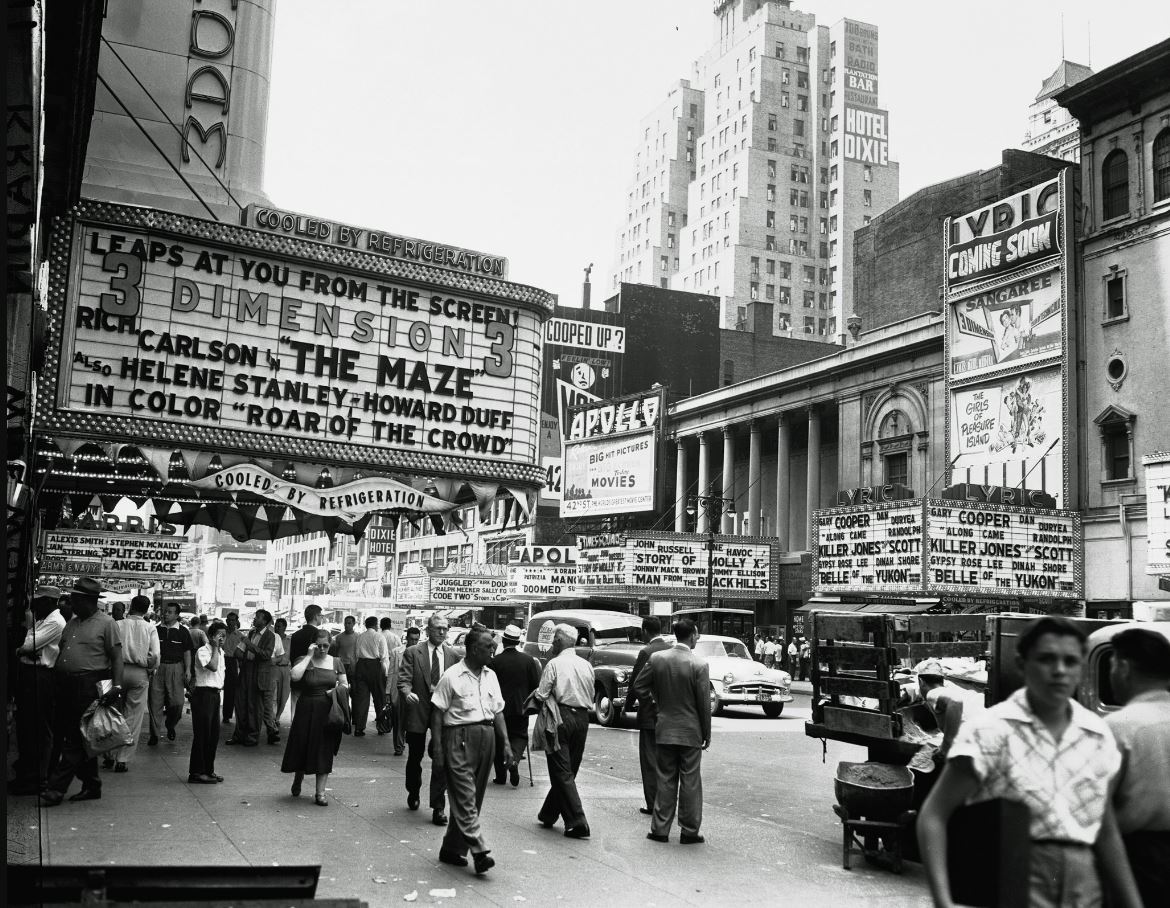
From the earliest flickers of light on a screen, cinema has been more than an art form. It is a way for humanity to preserve experiences, translate emotions, and share collective dreams. Films capture not only events but also the essence of how people feel, think, and live during a particular moment in history. Unlike literature or painting, cinema combines movement, sound, image, and time into one immersive medium. Its purpose is not simply to entertain but to connect, offering audiences both escape and reflection. This unique synthesis makes cinema the most comprehensive storytelling form humanity has created, one that bridges cultures and generations.
The Global Language of Images
One of cinema’s greatest strengths is its ability to communicate beyond words. A silent film can move audiences who speak different languages because images, gestures, and emotions transcend barriers. Even in today’s dialogue-rich films, visual storytelling remains central. A camera angle can suggest power, vulnerability, or intimacy without a single line of speech. Directors, cinematographers, and editors collaborate to shape this language, which has evolved into a universal vocabulary understood across the world. By using light, framing, and movement, filmmakers create a shared grammar that allows diverse audiences to feel connected to stories outside their own cultures.
Cinema as a Reflection of Society
Every film, regardless of its genre, is a reflection of the time and culture in which it was made. The musicals of the Great Depression offered joy during hardship, while postwar neorealism revealed the struggles of rebuilding societies. Science fiction often reflects contemporary anxieties about technology, politics, or the future. Horror captures the fears of its era, whether it be the Cold War, social unrest, or climate crisis. Even comedies reveal cultural norms and values, showing what audiences of a given era found humorous or absurd. To watch films across decades is to trace the evolution of human concerns, hopes, and contradictions.
The Collaborative Nature of Filmmaking
Unlike many other arts that can be produced in solitude, filmmaking is inherently collaborative. Writers, directors, actors, cinematographers, editors, sound designers, and visual effects artists all contribute distinct skills. A film is the convergence of many crafts, orchestrated into a single vision. Collaboration extends beyond production to distribution, where marketers, festival curators, and critics help bring films to audiences. This interdependence makes cinema unique. It is an art that thrives not on isolated genius but on collective creativity, where each role matters in shaping the final experience. Understanding film is therefore understanding the importance of collaboration in human expression.

The Emotional Power of Film
Few mediums can elicit emotion as directly as cinema. A swelling score, a sudden cut, or a lingering close-up can make audiences laugh, cry, or hold their breath. This emotional immediacy is what makes film memorable. It has the power to create empathy by allowing viewers to experience perspectives different from their own. Films can humanize strangers, confront injustices, or simply remind us of universal feelings of love, fear, and longing. This emotional reach is why cinema is so often described as both art and experience. It is not just watched but felt, leaving impressions that remain long after the credits roll.
Film as a Historical Archive
Beyond artistry, cinema serves as an archive of history. Newsreels, documentaries, and fictional films all capture the look, sound, and mood of their times. Even films that do not aim to depict reality inadvertently record details of fashion, architecture, speech, and cultural attitudes. For future generations, films provide more than entertainment. They offer windows into how people once lived and how they imagined the world. Preservation of films, therefore, is as vital as preserving literature, music, or visual art. Each film contributes to humanity’s collective memory, ensuring that moments, whether ordinary or extraordinary, are not lost to time.
The Evolution of Audience Engagement
Audiences themselves have changed alongside cinema. Early viewers experienced film as novelty, marveling at the illusion of movement. Over time, cinema became ritual, with theaters serving as communal gathering spaces. The rise of television, home video, and streaming platforms transformed viewing habits, shifting some experiences into private spaces. Yet, the desire to watch films together remains powerful, as evidenced by the continuing draw of festivals, premieres, and blockbusters. Audience engagement today includes not only watching but also discussing online, remixing through fan art or video essays, and influencing production through collective demand. This evolving relationship shows that cinema is not a one-way art but a dialogue between creators and viewers.
The Role of a Film-Focused Platform in Celebrating Cinema
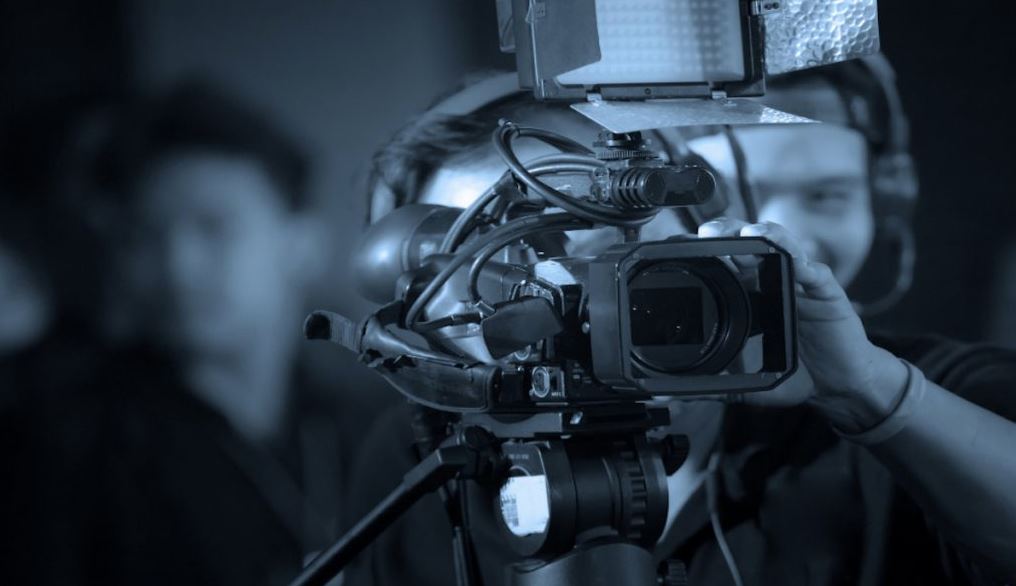
A film-focused platform exists to highlight the depth and diversity of cinema, offering audiences far more than simple reviews or entertainment news. Its purpose is to preserve the cultural importance of film by providing thoughtful analysis, historical context, and genuine appreciation. By exploring directors, cinematic history, evolving technology, and global film movements, it contributes to an ongoing and meaningful conversation about why cinema continues to matter. It serves as a space for reflection, where films are not treated merely as consumable products, but as cultural artifacts, artistic achievements, and shared human experiences. In doing so, it reflects the collaborative, expressive, and communal spirit that has always defined cinema itself.
The Future of Cinema’s Identity
Looking ahead, cinema faces both challenges and opportunities. Technologies like virtual reality and artificial intelligence may redefine how stories are told, while streaming platforms continue to reshape distribution. Yet, the essence of cinema remains unchanged: the desire to tell stories that capture the imagination and reflect human truths. No matter the medium, audiences will continue to seek experiences that move them, unite them, and expand their perspectives. The identity of cinema is not fixed but evolving, always adapting to cultural shifts while preserving its core as a shared language of emotion and vision.
Cinema as Human Legacy
Cinema is not only entertainment but also a record of human imagination and resilience. It mirrors society, preserves history, and creates connections across distance and time. To understand film is to understand how humanity expresses itself collectively. Platforms dedicated to cinema remind us that movies are not disposable, but enduring works that shape and reflect culture in equal measure. In celebrating cinema, we celebrate ourselves, acknowledging that the moving image is one of humanity’s greatest achievements and one of its most powerful cultural legacies.